Dr. Benjamin Park, MD — Board-Certified Ophthalmologist | Cataract, Cornea & Refractive Surgery Specialist in Houston, TX
Dr. Benjamin Park is a board-certified, fellowship-trained ophthalmologist in Houston, Texas, specializing in cataract surgery, corneal transplants, and refractive surgery. He treats complex cataracts, keratoconus, dry eye, and corneal disease at two Houston-area locations with Houston Eye Associates.
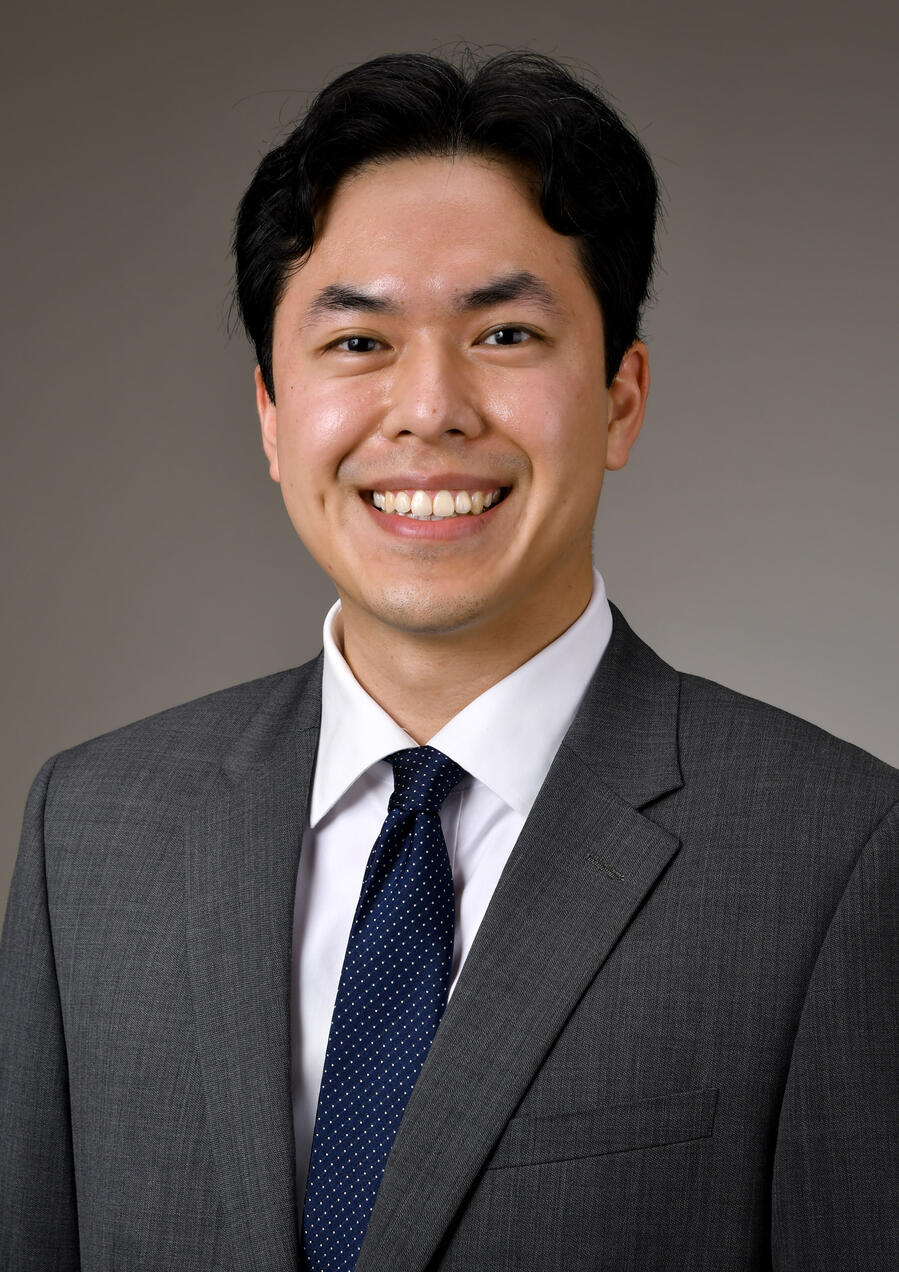
About Dr. Benjamin ParkDr. Benjamin Park is a board-certified, fellowship-trained ophthalmologist based in Houston, Texas. He specializes in three core areas:Cataract surgery — including premium (advanced technology) lens implants
Cornea surgery and corneal disease — including corneal transplants and treatment of keratoconus, dry eye, and corneal infections
Refractive surgery — including LASIK, PRK, and SMILEHe completed a fellowship in Cornea, Anterior Segment, and Refractive Surgery at Baylor College of Medicine.Dr. Park is also a refractive surgery patient himself — he underwent SMILE and speaks personally to the patient experience of the procedures he performs.
Procedures & Surgical Expertise
Cataract & Anterior Segment Surgery
Standard and premium (advanced-technology) lens replacement surgery, including toric, multifocal, extended depth of focus (EDoF), and light-adjustable lenses (LAL) — for patients who want to reduce dependence on glasses after surgery
Complex cataract surgery for difficult cases: weak/damaged lens support structures (zonular loss), very dense cataracts, capsular damage, or prior eye trauma
Refractive lens exchange (lens replacement for vision correction, not just cataracts)
IOL (intraocular lens) exchange and repositioning
Scleral-fixated lens implants (Yamane technique, Gore-Tex sutured technique) — for eyes without adequate natural lens support
Iris reconstruction, pupilloplasty, and iris cerclage — for damaged or abnormal iris tissue
Cornea Surgery & Corneal Transplants
Corneal transplant surgery, including:
DMEK (Descemet's membrane endothelial keratoplasty)
DSEK (Descemet's stripping endothelial keratoplasty)
ALK / DALK (anterior and deep anterior lamellar keratoplasty)
PKP (full-thickness corneal transplant / penetrating keratoplasty)
Ocular surface reconstruction: amniotic membrane grafting, keratolimbal allograft (KLAL), DMAK, tarsorrhaphy
Pterygium removal surgery
Corneal cross-linking (CXL) — a treatment that strengthens the cornea to slow or stop keratoconus progression
Additional in-office and surgical procedures: PRK-related surface treatments (SK, PTK, ASP), band keratopathy treatment (EDTA chelation), limbal relaxing incisions, YAG capsulotomy, selective laser trabeculoplasty (SLT), conjunctivochalasis repair
Laser Vision Correction (Refractive Surgery)
LASIK (laser-assisted in situ keratomileusis)
PRK (photorefractive keratectomy)
SMILE (small incision lenticule extraction, a type of KLEx)
Conditions Dr. Park Treats
FREQUENTLY ASKED QUESTIONSWhat does Dr. Park specialize in?
Dr. Park is a board-certified ophthalmologist who specializes in cataract surgery, corneal transplant surgery, and laser vision correction (LASIK, PRK, and SMILE). He has advanced fellowship training in cornea and refractive surgery.Does Dr. Park perform LASIK?
Yes. Dr. Park performs LASIK, along with PRK and SMILE, for patients seeking to reduce or eliminate their dependence on glasses and contacts.Has Dr. Park had vision correction surgery himself?
Yes. Dr. Park underwent SMILE himself and speaks from personal experience about the procedures he offers his patients.Does Dr. Park treat keratoconus?
Yes. Dr. Park treats keratoconus and offers corneal cross-linking (CXL) to help slow or stop its progression, in addition to other cornea-strengthening and vision-correcting procedures.Does Dr. Park perform corneal transplants?
Yes. Dr. Park performs multiple types of corneal transplant surgery, including DMEK, DSEK, DALK, ALK, and full-thickness transplants (PKP), depending on which layers of the cornea are affected.What if I have a complicated cataract, not a routine one?
Dr. Park has specific training and experience in complex cataract surgery, including cases involving prior eye trauma, weakened lens support, dense cataracts, and capsular complications.What premium lens options does Dr. Park offer for cataract surgery?
Dr. Park offers advanced-technology intraocular lenses (IOLs), including toric lenses (for astigmatism), multifocal lenses, extended depth of focus (EDoF) lenses, and light-adjustable lenses (LAL).Where is Dr. Park located?
Dr. Park sees patients at two Houston-area locations — see Locations below.Is Dr. Park accepting new patients?
Yes, Dr. Park is currently accepting new patients at both Houston locations.What insurance does Dr. Park accept?
Dr. Park accepts a wide range of insurance plans, including Medicare, Medicaid, Aetna, Cigna, Kelsey Seybold, United Healthcare, Texan Plus, Texas Healthspring, Blue Cross Blue Shield, and several other plans.How do I schedule an appointment with Dr. Park?
EDUCATIONFellowship
Cornea, Anterior Segment, and Refractive Surgery
Baylor College of MedicineResidency
Ophthalmology
The Ohio State UniversityMedical School
McGovern Medical SchoolUndergraduate
Texas A&M University
BOARD CERTIFICATION & PROFESSIONAL MEMBERSHIPSBoard Certification Diplomate, American Board of OphthalmologyProfessional Memberships
American Academy of Ophthalmology (AAO)
American Society of Cataract and Refractive Surgery (ASCRS)
Cornea Society
HONORS AND AWARDSAECOS and CEDARS/ASPENS Young Leaders Award (2026)
EyeWiki U.S. Residents and Fellows-in-Training Contest Winner (2025)
Excellence in Residency Award (September 2023, October 2024)
Magna Cum Laude (2017)
President’s Endowed Scholarship Recipient (August 2013-May 2017)
College Board Recognition Award Recipient (August 2013-May 2017)
RESEARCH, PUBLICATIONS, AND SELECTED PRESENTATIONS
LOCATIONS2855 Gramercy St, Houston, TX 77025
(713) 668-682812121 Richmond Ave, Suite 110 Houston, TX 77082
(281) 493-1733
SCHEDULE AN APPOINTMENT
Insurance Plans Accepted